
Skip to content

1,900+ plans created100% Free

8-Week Weight Loss Workout Plan: Lose Fat, Not Muscle

This 8-week workout plan helps you lose fat without sacrificing muscle: three sessions a week of strength training and cardio, about 45 minutes each.
Weeks
8
Weeks
× per Week
3
× per Week
Minutes
45
Minutes

Level: Beginner to Advanced

Create your personal plan2 / 9

Goal: Lose Weight

Tobias Lobitz

· Founder & Software Developer

Developing fitness software since 2018. Personal training experience: 15 years of strength training.

Last updated: October 28, 2026

About our content

This workout plan was created with AI assistance. All recommendations are based on current sports science and evidence-based principles.

The plan at a glance

8 weeks, 3 sessions a week of about 45 minutes: Full Body Strength, Cardio & HIIT, Lower Body & Core. Each exercise runs 3–4 sets of 8–20 reps, and you add weight or reps every week.

Sets and reps
3–4 × 8–20
Rest between sets
30–60 s
Equipment

Dumbbells (optional) · Mat

Your Workout Plan in Detail

How to read the plan: 3 × 12 means 12 reps in a row, then rest, three times.

Day 1 – Full Body Strength · Large muscle groups & calorie expenditure

ExerciseSetsRepsRest
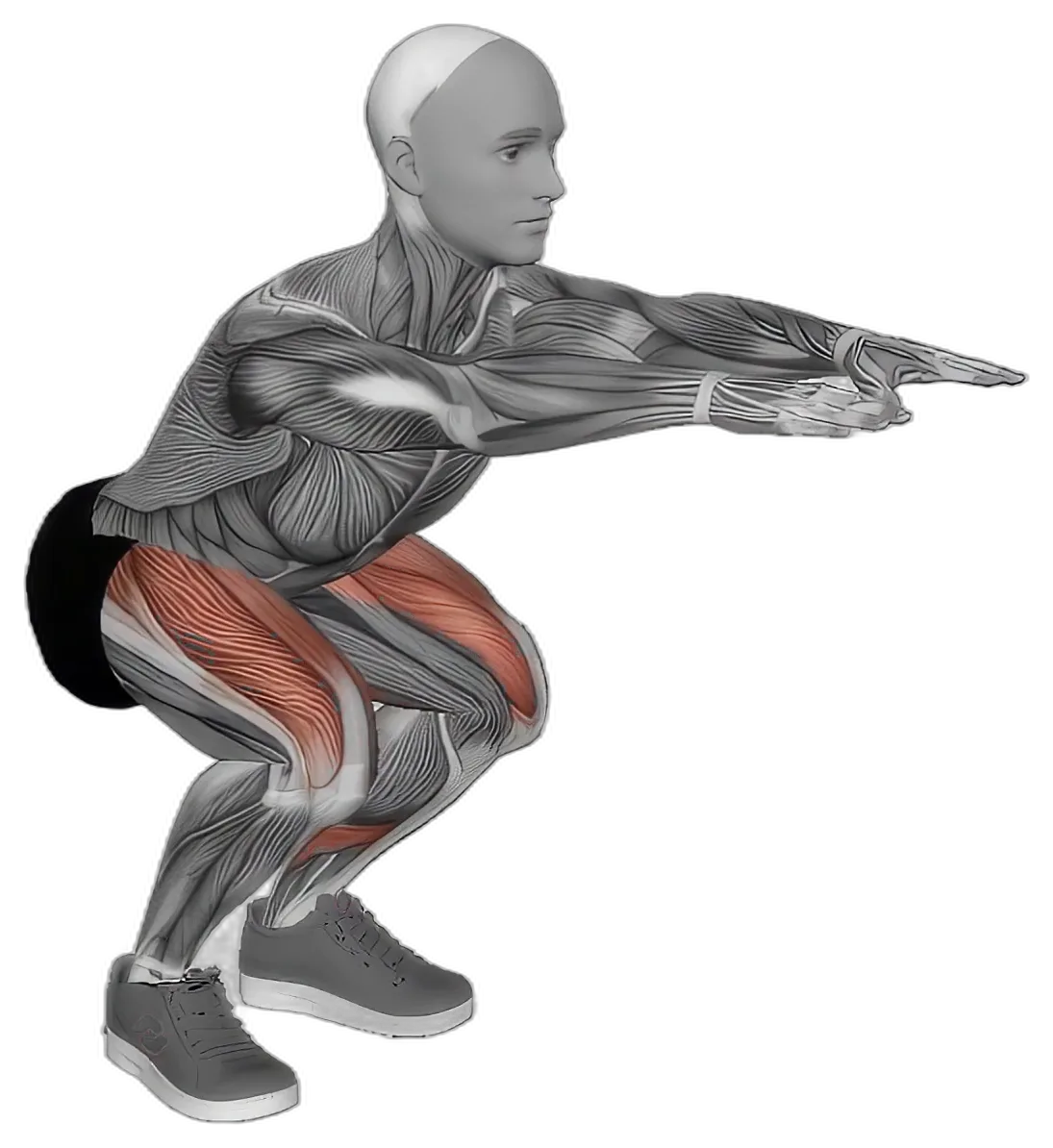
Squats 312–15 60s Rest60s
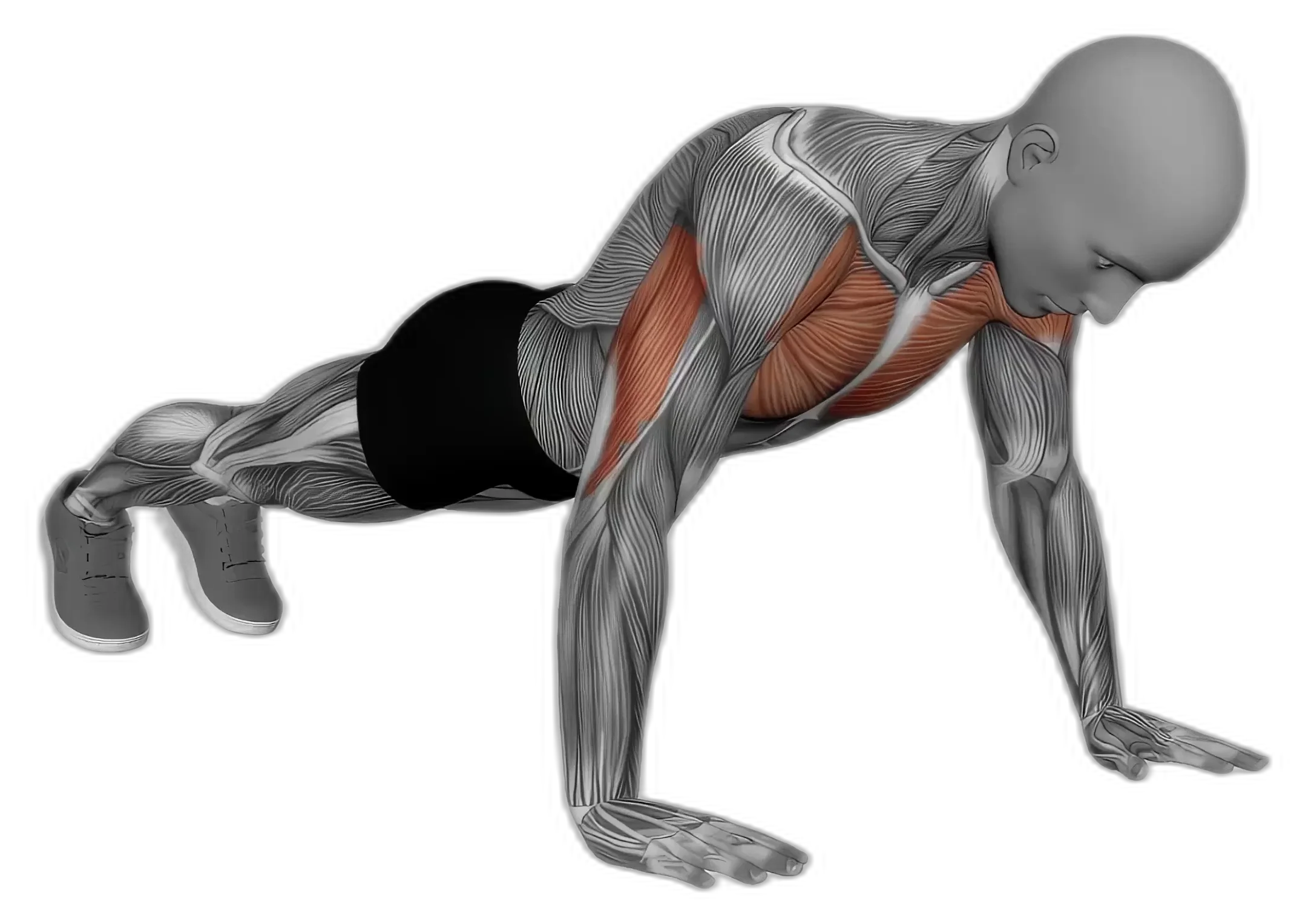
Push-ups 38–12 60s Rest60s
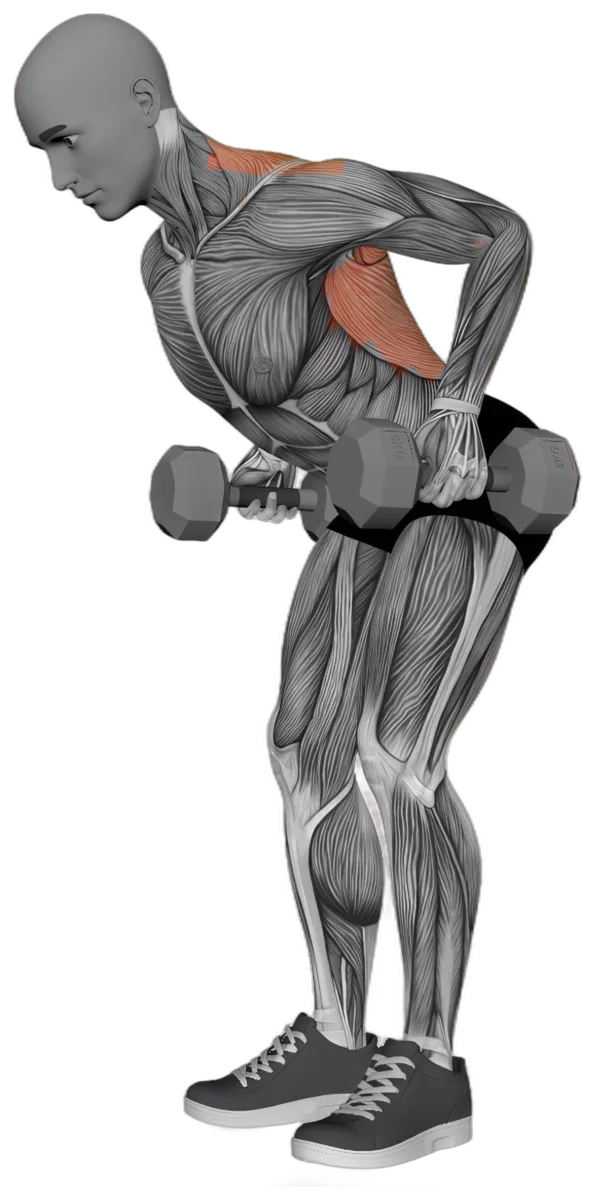
Dumbbell Rows 312–15 60s Rest60s
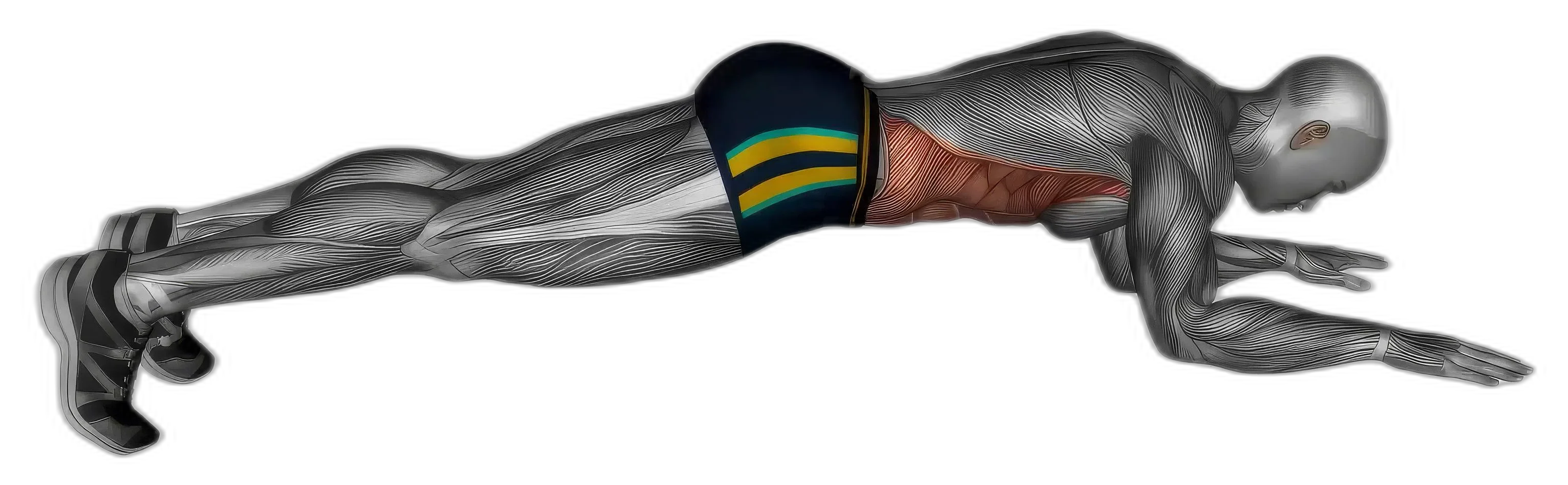
Plank 330–45s 45s Rest45s
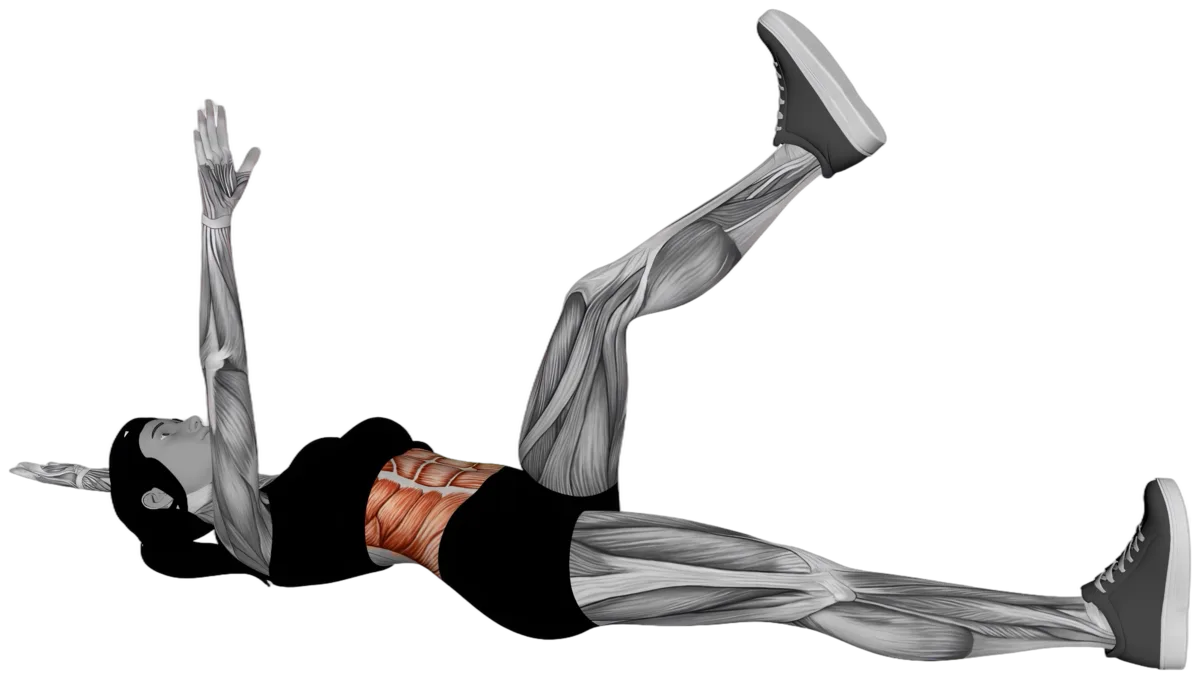
Dead Bug 310 per side 45s Rest45s

How to progress over 8 weeks

Example: Squats

  • Weeks 1–2

    3 × 12

    • 60 s rest

    Learn the movements. Pick a weight that leaves 2–3 more reps in the tank.

  • Weeks 3–4

    3 × 15

    • 60 s rest

    Same weight, but go to the top of the rep range, for example 15 instead of 12.

  • Weeks 5–6

    3 × 15

    • 45 s rest

    Shorter rest, from 60 to 45 seconds on the strength exercises.

  • Weeks 7–8

    3 × 12

    • 45 s rest
    • more weight

    Heavier dumbbells (1–2 kg more) or a harder variation, reps back to the bottom of the range.

When does it get harder? As soon as you finish all 3 sets with 15 clean reps. Then step it up the next week.

Tips for Maximum Success

  • Eat 300–500 kcal below maintenance
  • Prioritise strength training to keep your muscle
  • Sleep 7–9 hours for recovery
  • Get 8,000–10,000 steps a day
  • Log your weights and reps so you can see progress
  • Drink enough, ideally water instead of soft drinks. It saves calories and keeps you full
  • Walk, cycle or do yoga on rest days

Why This Plan Works

  1. Strength and Cardio Together Lose the Most Fat

    Cardio burns the most calories, strength training keeps your muscle in a calorie deficit. In a study of adults with overweight, the combination improved body composition the most: about as much fat lost as with cardio alone, but more muscle kept.

  2. The Afterburn Effect (EPOC) Is a Small Bonus

    After hard strength and HIIT sessions your body uses extra oxygen for a while (EPOC) and burns roughly 6–15 % of the calories the workout itself cost. Nice, but not magic. What matters is that you train regularly.

  3. Keeping Muscle Helps Prevent the Yo-Yo Effect

    A diet without training also costs muscle. Every kilogram of muscle burns about 13 kcal a day at rest. Lose it and your resting metabolism drops, so the weight comes back more easily after the diet. Strength training keeps the muscle and your energy use.

  4. Progressive Overload Keeps You Moving Forward

    Every two weeks it gets a bit harder: first more reps, then shorter rest, then more weight. Your body keeps getting a new stimulus instead of getting used to the same load.

  5. Three Sessions a Week: Enough Stimulus, Enough Rest

    Three times 45 minutes is 135 minutes a week, close to the 150 minutes the American College of Sports Medicine recommends as a minimum for weight loss. Walks easily get you over it, and you still have a rest day between sessions.

Avoid Common Mistakes

Too Large a Calorie Deficit

Instead of: 800 to 1,000 kcal a day so it goes faster. You lose more muscle, have no energy to train and the hunger gets hard to bear. Most people quit within a few weeks.

Better: Eat 300–500 kcal below your needs. That is about 0.3–0.5 kg of fat a week, and you can stick with it.

With a total daily energy use of 2,200 kcal: 1,700–1,900 kcal instead of 1,000.

Too Little Protein

Instead of: Lots of bread, pasta and snacks, barely any protein. You lose weight, but partly muscle instead of fat, and you get hungry again sooner.

Better: 1.6–2.0 g of protein per kg bodyweight a day, spread over every meal.

At 75 kg that is 120–150 g, for example 200 g chicken, 250 g Greek yoghurt, 3 eggs and a shake, plus the protein in your other food.

Cardio Without Strength Training

Instead of: Only running or cycling, no weights. The scale goes down, but muscle goes with the fat. You end up lighter, not leaner ("skinny fat").

Better: Strength train at least twice a week and use cardio on top. That is exactly how this plan is built.

Instead of running 5 times: this plan 3 times plus 2 easy walks.

Inconsistent Training

Instead of: Highly motivated on Monday, no energy by Thursday, back to zero next week. Your body never gets the same stimulus long enough to adapt. Fat loss takes weeks, not days.

Better: Set fixed days, for example Mon/Wed/Fri, ideally right after work. And when time is tight: 20 minutes beat nothing.

Instead of "when I have time": put "Mon 6 pm workout" in your calendar.

Too Little Sleep

Instead of: Training hard and dieting, but sleeping only 5–6 hours. The hunger hormone ghrelin rises, your appetite grows and you recover worse. On the same diet you lose less fat and more muscle.

Better: Plan for 7–9 hours. In one study, people on the same diet lost more than twice as much fat with 8.5 hours of sleep as with 5.5.

With 8.5 hours of sleep about half of the weight lost was fat, with 5.5 hours only a quarter.

Resting Too Long Between Sets

Instead of: A quick look at your phone, and 60 seconds of rest turn into 4 minutes. A 45-minute workout becomes 90, your heart rate drops between sets and the session gets less intense.

Better: Stick to the rest times in the plan: 60 seconds for strength, 30–45 seconds for HIIT.

Start a timer after every set; the phone stays in your bag otherwise.

No Everyday Movement

Instead of: Training three times a week, otherwise sitting 12 hours a day. Everyday movement (NEAT) often adds up to more than the training itself. Below 3,000 steps a day it is almost gone.

Better: 8,000–10,000 steps a day. That is 200–400 kcal more without any extra training.

A 15-minute walk at lunch, phone calls on the move, stairs instead of the lift.

Frequently Asked Questions

If you have anything else you want to ask, reach out to us.

Can I do this plan at the gym?

Yes. At the gym you use weights instead of bodyweight: goblet squats or barbell squats instead of squats, cable rows instead of dumbbell rows, dumbbell bench press instead of push-ups. Do the cardio day as intervals on the rower or treadmill: 30 seconds hard, 60 seconds easy, 8 to 10 rounds.

How often should I train to lose weight?

Training 3–4 times per week is ideal to promote fat loss while allowing proper recovery.

Is strength training important for weight loss?

Yes. Strength training preserves lean muscle mass and helps maintain a higher metabolic rate.

When can I expect results?

Improved energy and performance often appear after 2–3 weeks. Visible fat loss typically follows after 4–6 weeks.

Can I build muscle and lose fat at the same time?

Yes, especially as a beginner or someone returning to training. This is called body recomposition. The key is sufficient protein intake (1.6–2.0 g/kg) combined with a moderate calorie deficit of no more than 500 kcal.

Should I eat before or after working out?

A light meal with carbohydrates and protein about 1–2 hours before training provides energy. After training, a protein-rich meal within 2 hours supports recovery and muscle preservation.

How important is heart rate for fat loss?

The often-cited "fat-burning zone" at low intensity is a myth. What matters most is total calorie expenditure. HIIT burns more calories in less time and adds a small afterburn effect (EPOC).

Ready in 60 seconds

Make this plan yours.

Answer a few quick questions. fytrr builds your workout and meal plan for the week, matched to your goal, level and equipment.

Create my plan

Free, no credit card