
Skip to content

1,900+ plans created100% Free

Abs Workout Plan: 15 Core Exercises in 8 Weeks

An 8-week plan for your whole core: three sessions a week with five exercises each for stability, rotation and flexion. You start with bodyweight and progress to weighted variations.
Weeks
8
Weeks
× per Week
3
× per Week
Minutes
35
Minutes

Level: Beginner to Advanced

What’s your goal?1 / 9
Tobias Lobitz

· Founder & Software Developer

Developing fitness software since 2018. Personal training experience: 15 years of strength training.

Last updated: October 28, 2026

About our content

This workout plan was created with AI assistance. All recommendations are based on current sports science and evidence-based principles.

The plan at a glance

8 weeks, 3 sessions a week of about 35 minutes: Anti-Movement & Stability, Rotation & Dynamics, Flexion & Pelvic Control. Each exercise runs 3 sets of 8–16 reps, and you add weight or reps every week.

Sets and reps
3 × 8–16
Rest between sets
45–60 s
Equipment

Mat · Pull-up Bar (optional) · Dumbbells (optional)

Your Workout Plan in Detail

How to read the plan: 3 × 12 means 12 reps in a row, then rest, three times.

Day 1 – Anti-Movement & Stability · Isometric core stability, anti-extension, anti-lateral flexion

ExerciseSetsRepsRest
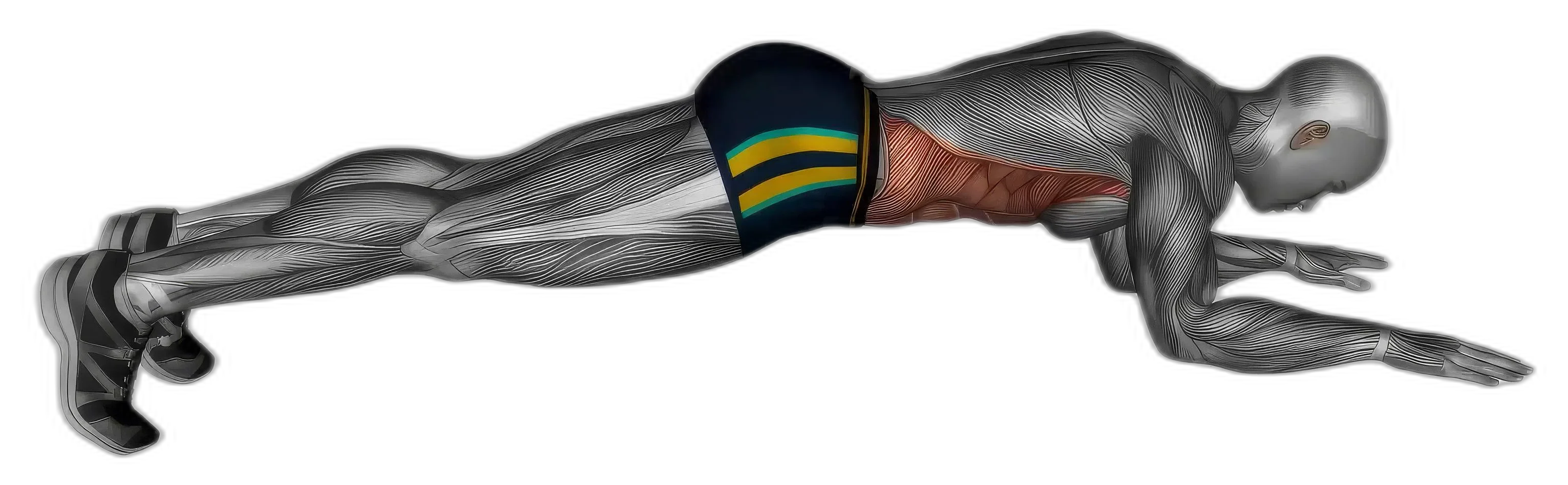
Plank 330–60s 45s Rest45s
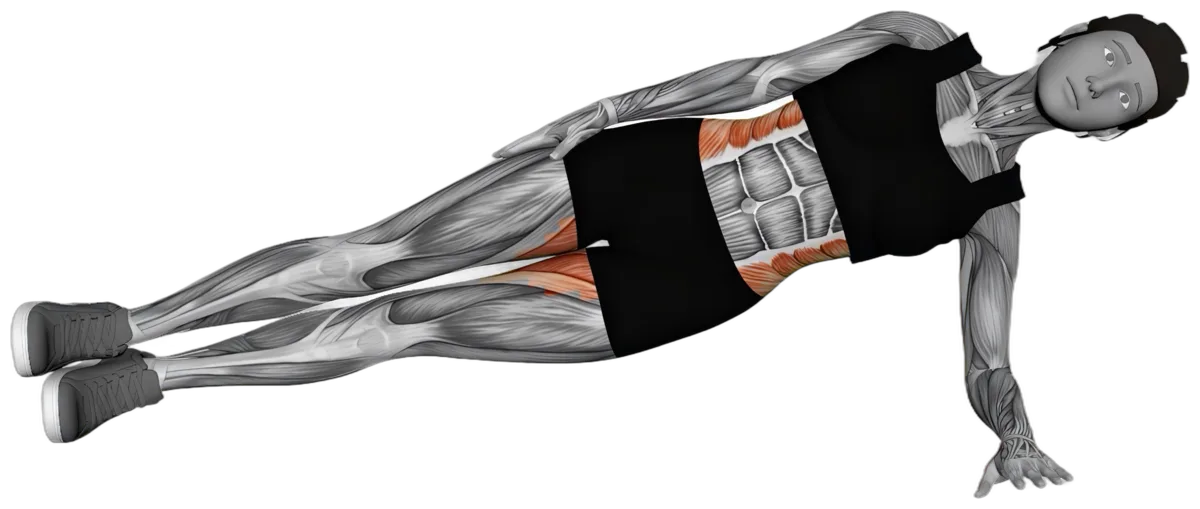
Side Plank 325–40s per side 45s Rest45s
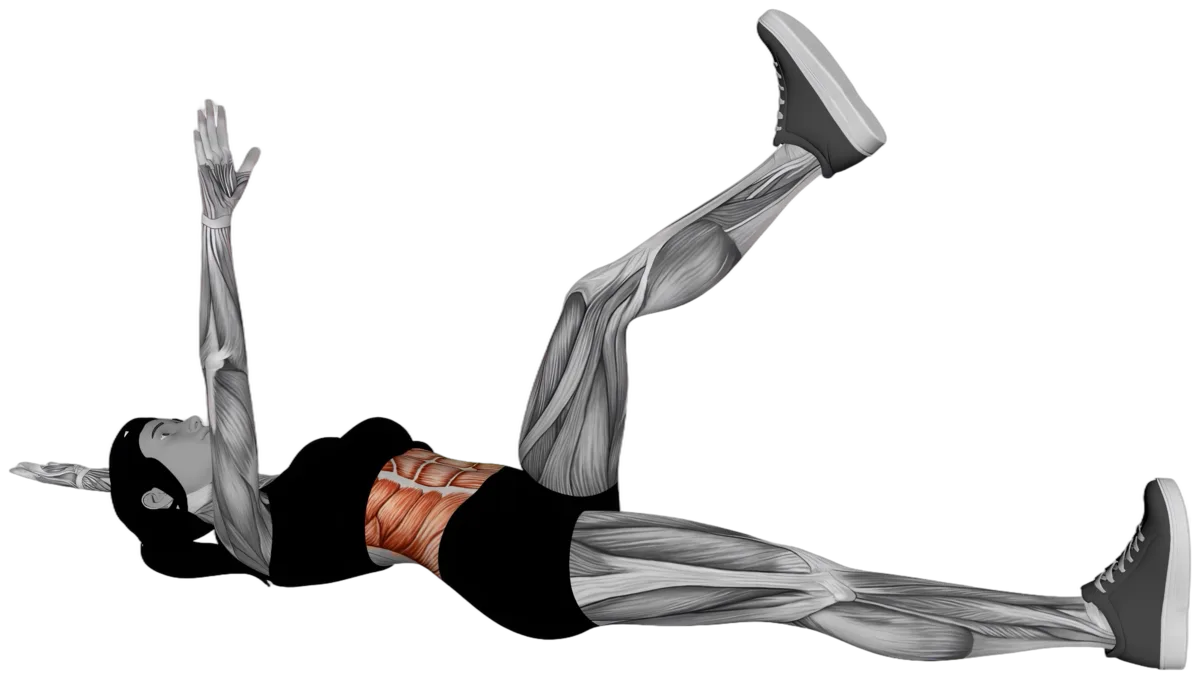
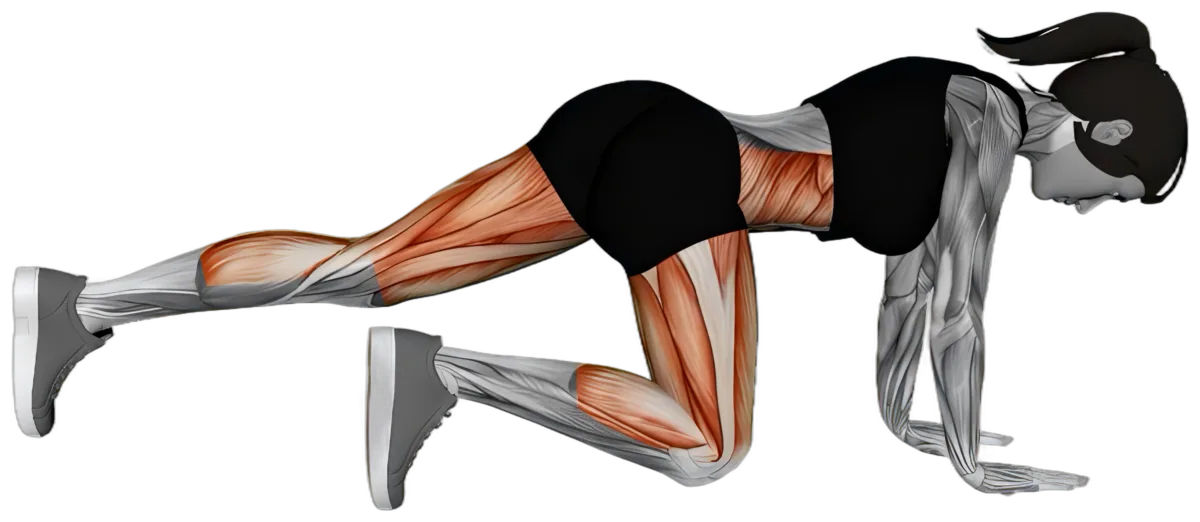
Dead Bug 310–12 per side 45s Rest45s
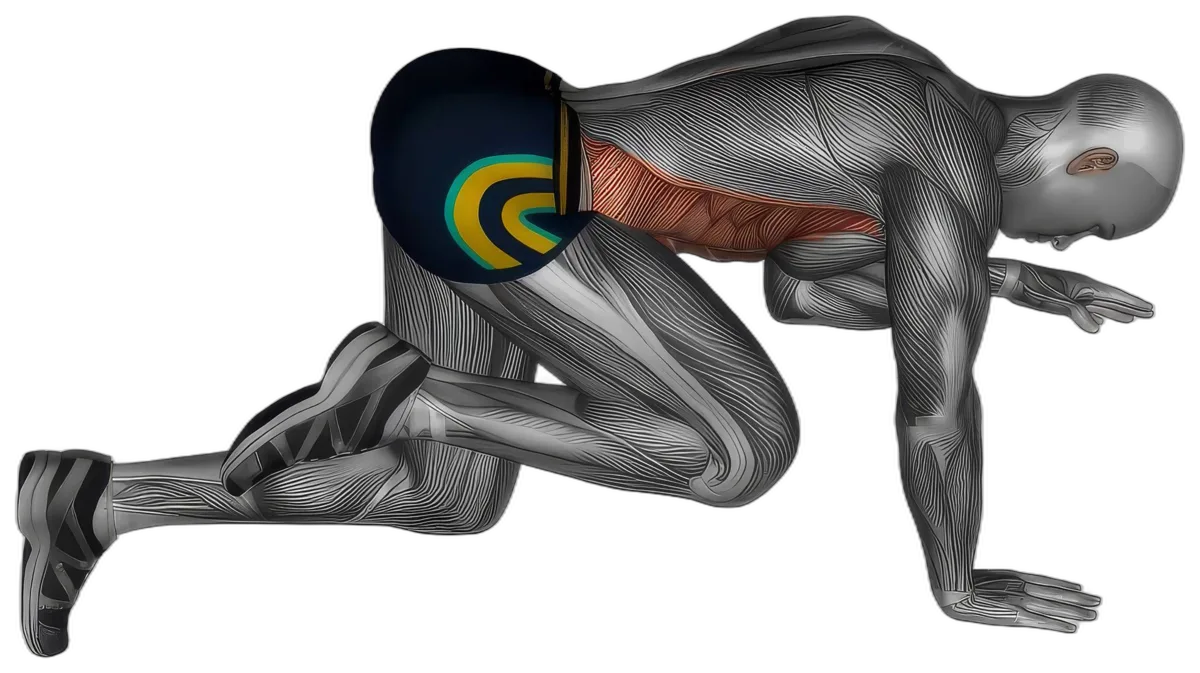
Bird Dog 310–12 per side 45s Rest45s
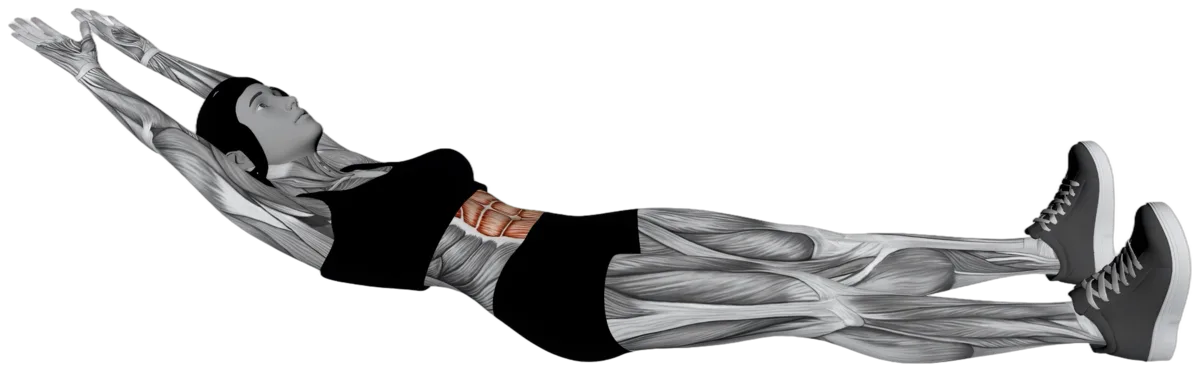
Hollow Body Hold 320–30s 45s Rest45s

How to progress over 8 weeks

Example: Dead Bug

  • Weeks 1–2

    3 × 10per side

    • 45 s rest

    Learn clean positions. Plank 30 seconds, dead bug 10 per side, slow and controlled.

  • Weeks 3–4

    3 × 12per side

    • 45 s rest

    Add 10–15 seconds to your holds, dead bug and bird dog up to 12 per side.

  • Weeks 5–6

    3 × 10per side

    • 45 s rest
    • more weight

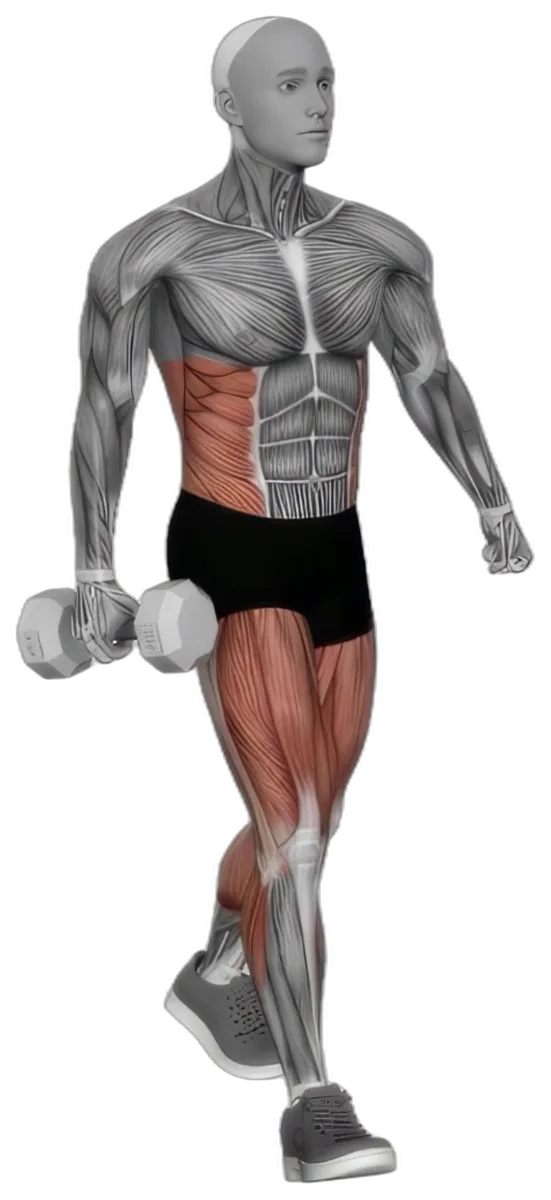
    Add weight, for example a dumbbell for Russian twists and a light weight for dead bugs, back to 10 reps.

  • Weeks 7–8

    3 × 12per side

    • 45 s rest

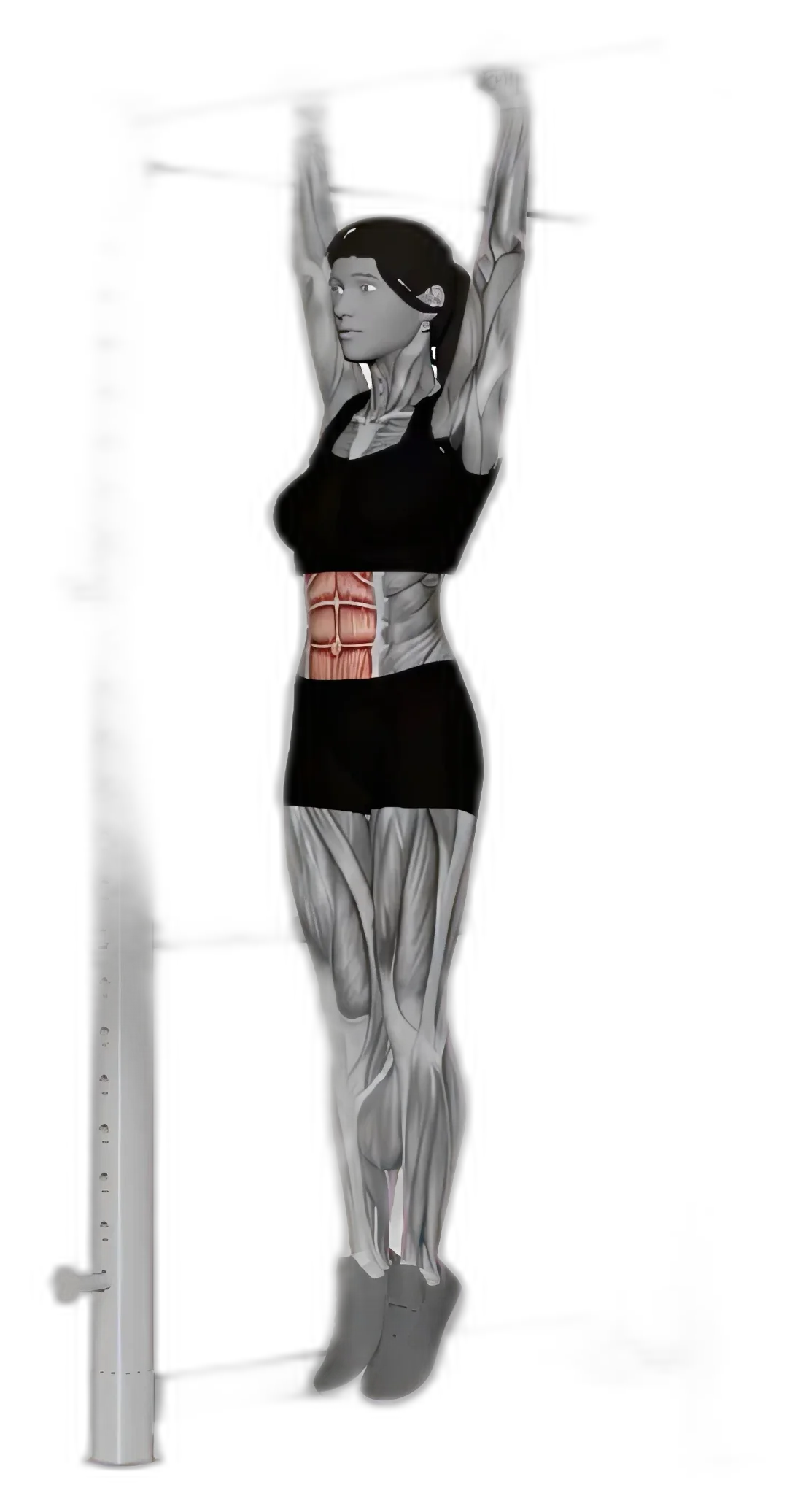
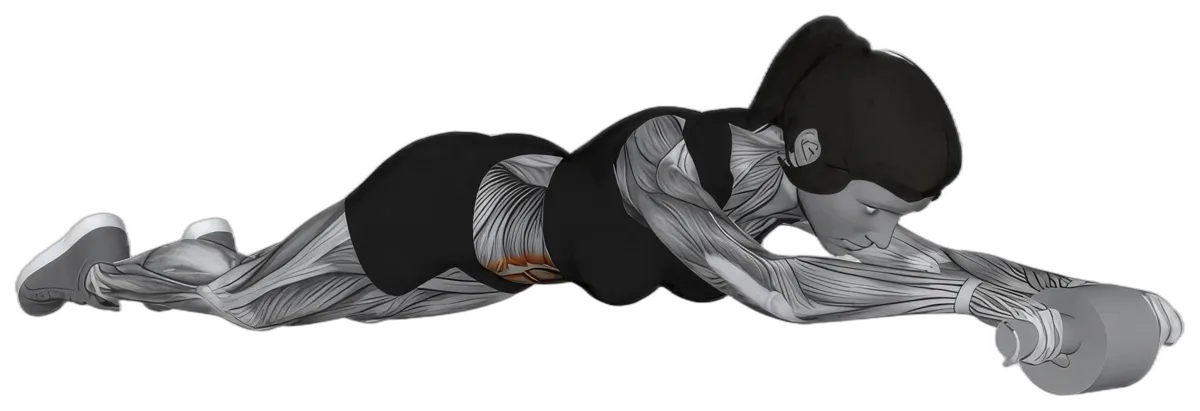
    Harder variations: hanging leg raises instead of knee raises, ab wheel instead of walk-outs, back up to 12 reps.

When does it get harder? As soon as you finish all 3 sets with 12 clean reps. Then step it up the next week.

Tips for Maximum Success

  • Whether you can see your abs depends mostly on body fat. Roughly 10–15 % for men and 16–22 % for women, depending on the person
  • 1.6–2.0 g protein per kg bodyweight a day so you keep your muscle in a deficit
  • Keep breathing and brace your abs on every rep
  • Do not train core right before heavy squats or deadlifts; put it at the end of a session or on another day

Why This Plan Works

  1. Three Core Jobs, Not Just Crunches

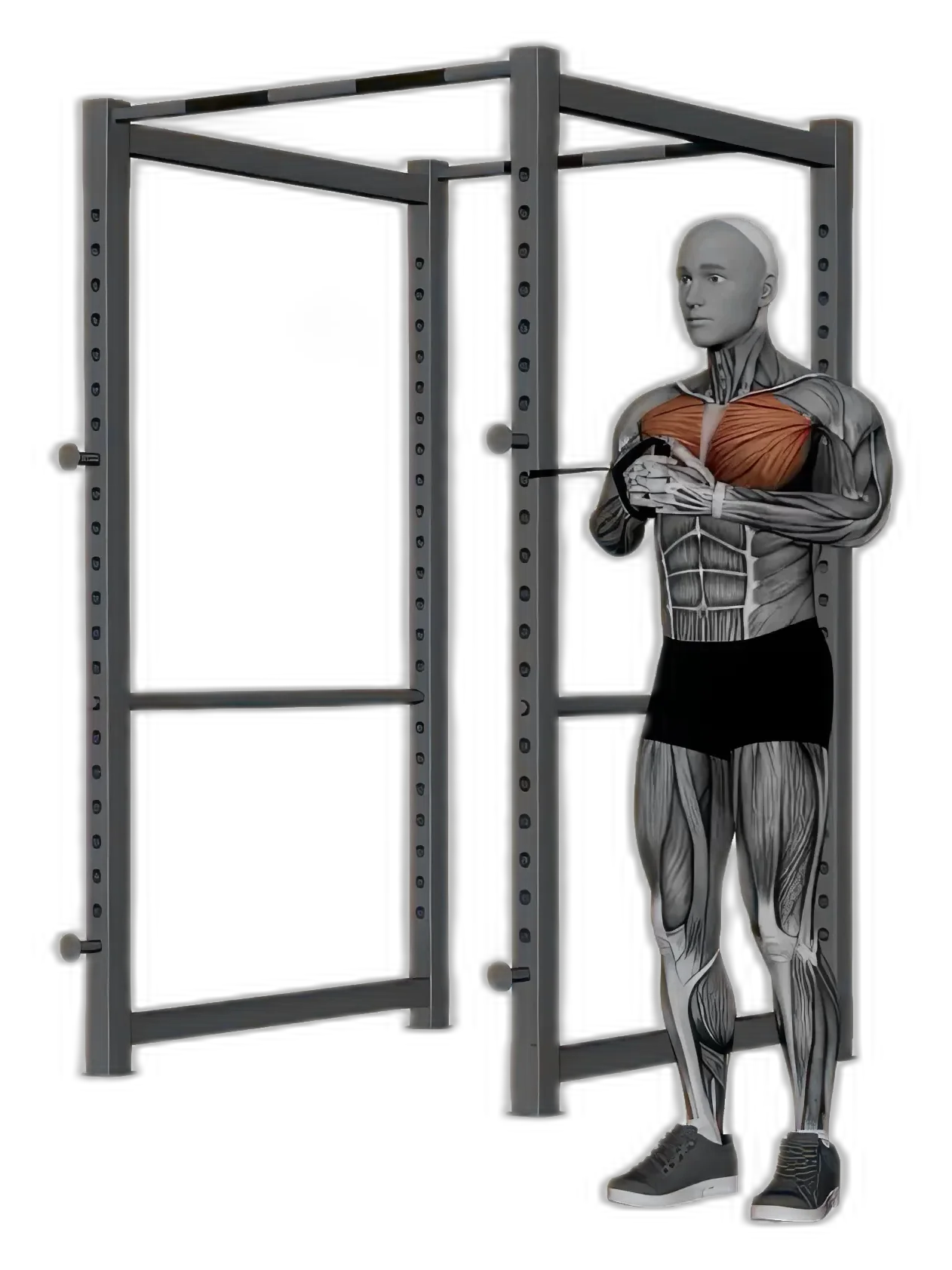
    Your core keeps you stable, rotates and bends. The plan trains all three jobs on separate days: holding (plank, dead bug), rotating and resisting rotation (Russian twist, Pallof press) and bending (leg raises, ab wheel). That works the straight and oblique abs and the deep core, not just the part crunches hit.

  2. Resisting Movement Builds Everyday Stability

    Planks, dead bugs and Pallof presses train your core to resist movement, which is what it does when you carry, lift and play sport. These exercises can help keep your lower back stable and load the spine less than hundreds of sit-ups.

  3. Progressive Overload Applies to Abs Too

    Abs are skeletal muscles and, like any other muscle, only grow when the load increases. The plan moves from bodyweight to longer holds to weighted and harder variations.

  4. Three Short Sessions a Week

    Bodyweight core work is less fatiguing than heavy squats, so your core handles three sessions a week well. Every job gets its own day, with a rest day between sessions.

  5. 35 Minutes Fits Into Any Week

    Short sessions fit even into busy weeks. Visible results come from weeks of showing up, not from a few hard days.

Avoid Common Mistakes

Only Doing Crunches

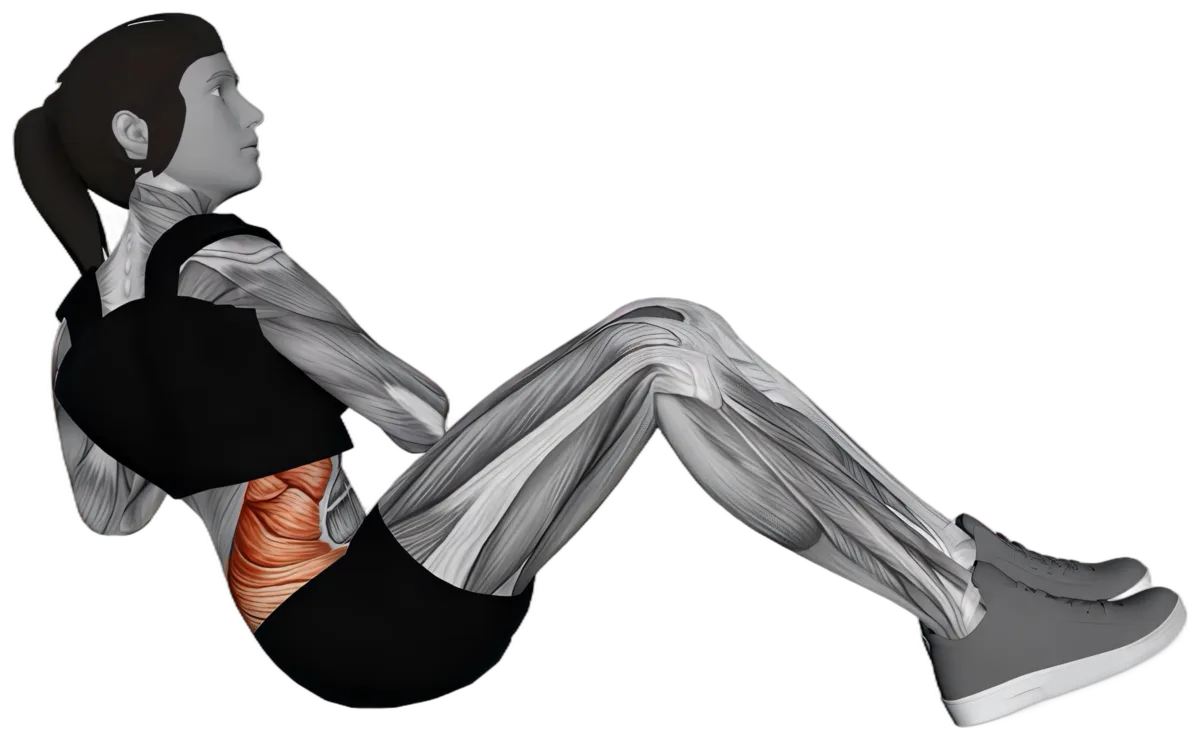
Instead of: Your whole ab routine is crunches and sit-ups, always the same movement. Crunches mainly train the straight abs in one direction. Your obliques and core stability fall behind.

Better: Train every job: holding (plank), rotating (Russian twist), resisting rotation (Pallof press) and bending (leg raises).

Instead of 100 crunches: 3 sets of planks, 3 sets of Pallof press, 3 sets of hanging leg raises.

Ignoring Body Fat

Instead of: Training abs hard but ignoring your diet. Your abs get stronger but stay hidden under a layer of fat. You cannot burn fat from your belly specifically.

Better: Combine the training with a moderate calorie deficit of 300–500 kcal.

At a maintenance of 2,400 kcal: eat 1,900–2,100 kcal with 1.6–2.0 g protein per kg bodyweight.

Using Hip Flexors Instead of Abs

Instead of: Swinging your legs up on leg raises and sit-ups. Your lower back hurts, your hip flexors do the work and your abs barely do anything.

Better: Press your lower back into the floor and move your legs slowly. If you feel it in your back, bend your knees more.

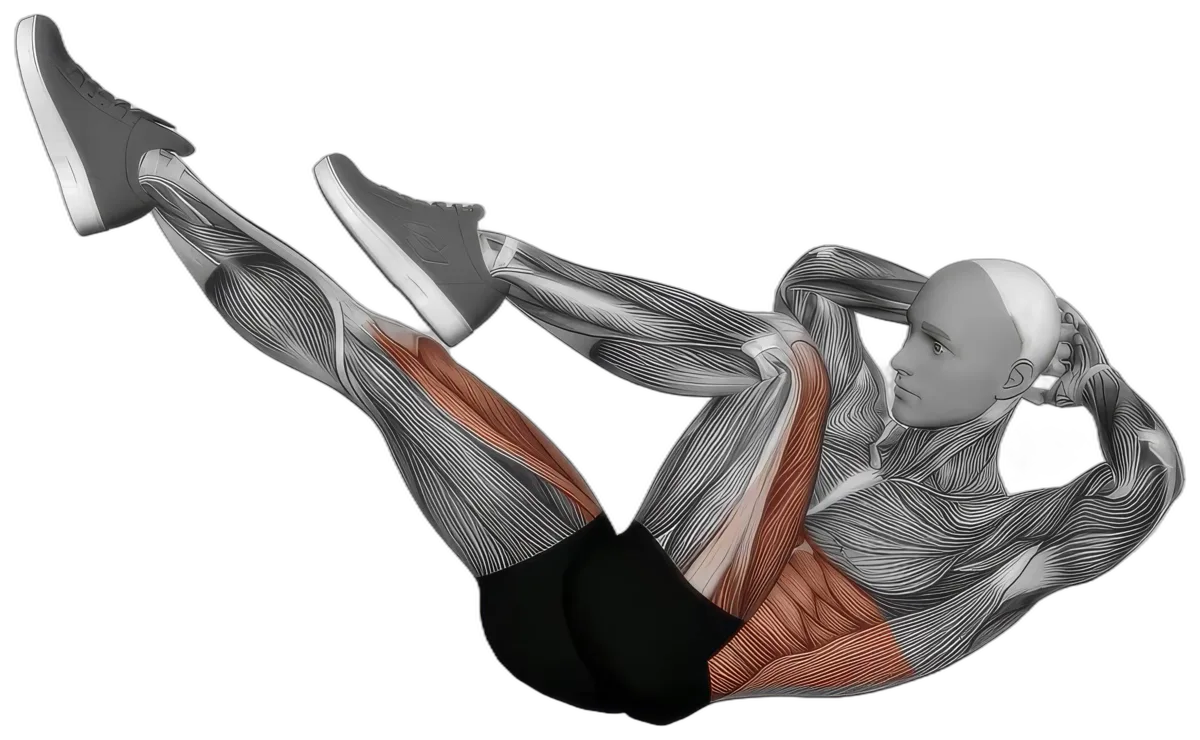
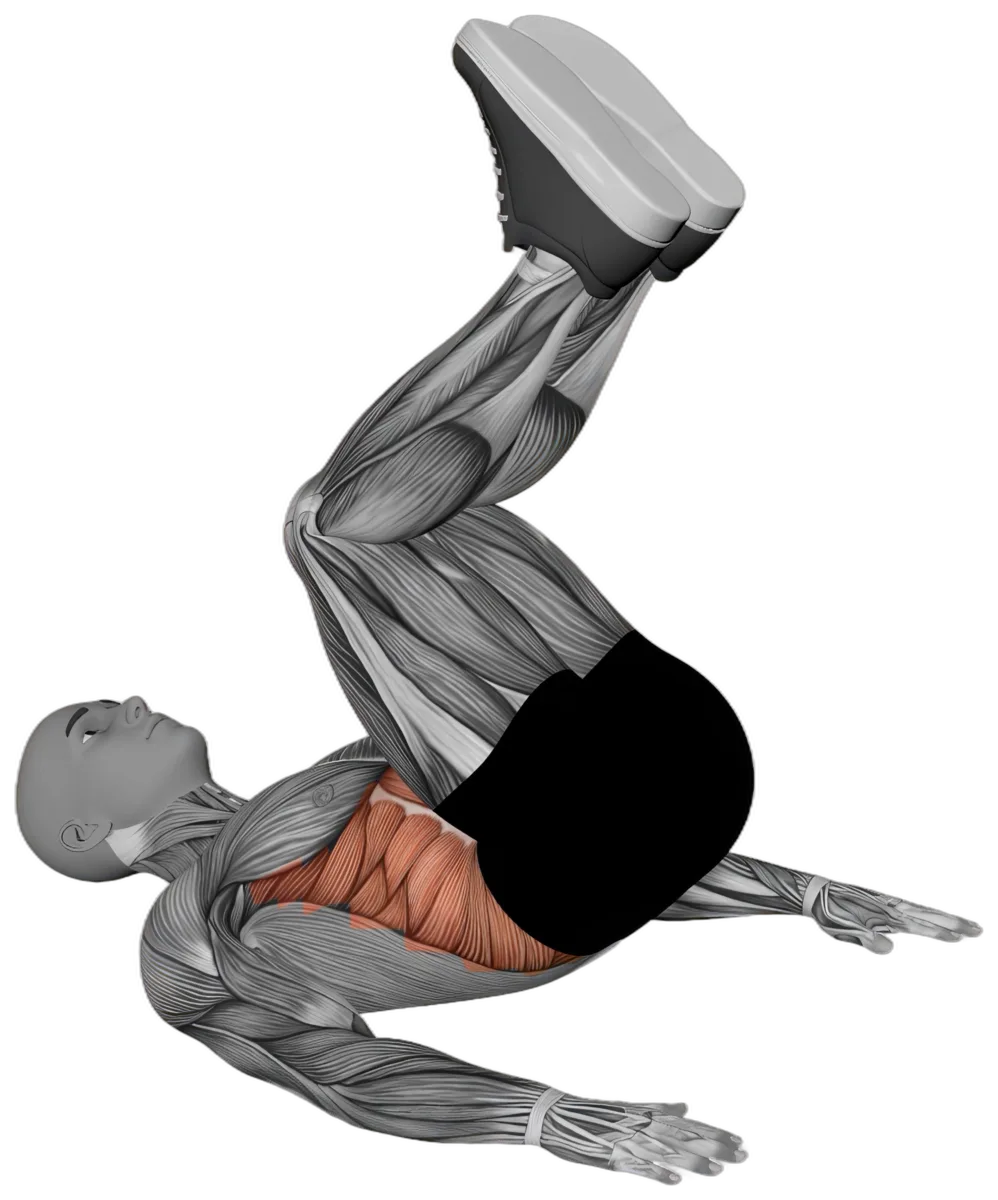
On reverse crunches, lift your pelvis off the floor instead of swinging your legs. 12 controlled reps beat 30 fast ones.

Lots of Reps, Never Harder

Instead of: 50 to 100 reps per exercise, but never a harder variation. You train endurance. Your abs get more fatigue resistant but barely stronger.

Better: Stay at 8–15 reps and make the exercise harder with weight or leverage.

Instead of 50 crunches: 3 × 12 weighted cable crunches or 3 × 10 ab wheel rollouts.

Core Training Before Heavy Compound Lifts

Instead of: Training abs hard right before squats or deadlifts. A tired core stabilises heavy loads less well, and your performance drops.

Better: Train core at the end of a session or on other days.

Monday: squats and legs. Tuesday: core. Not the other way round.

Holding Your Breath on Every Rep

Instead of: Bracing and holding your breath on every light core rep. On bodyweight exercises it gains nothing; blood pressure spikes briefly and you hold out for less time. During heavy lifts, briefly holding your breath is normal.

Better: Keep breathing: exhale as you tense, inhale as you return.

On crunches, exhale as you come up and inhale with control as you lower.

The Same Ab Workout Every Day

Instead of: The same exercises daily because abs supposedly recover fast. You barely improve because the stimulus never increases, and recovery time is missing.

Better: 3 core sessions a week with changing focus and a rest day between them.

Monday stability, Wednesday rotation, Friday flexion. Rest or other training in between.

Frequently Asked Questions

If you have anything else you want to ask, reach out to us.

What are the best exercises for abs?

There is no single best exercise. A mix works best: planks and dead bugs for stability, Pallof presses and Russian twists for rotation, hanging leg raises and the ab wheel for flexion. That mix is exactly what this plan uses.

Can you lose belly fat with ab exercises?

No. In one study adults did ab exercises for six weeks and lost no belly fat from it. You lose fat all over your body through a calorie deficit; training makes sure there is muscle underneath.

How often should you train abs?

Two to three times a week is enough. Making the exercises harder over the weeks matters more than how often you train.

Can I get a six-pack with this plan?

This plan builds the muscle, but whether you see it depends on body fat. Roughly 10–15 % for men and 16–22 % for women, and it varies by person. Combine the plan with a moderate calorie deficit.

Can I combine this core training with my regular strength training?

Yes. Schedule core sessions on days without heavy squats or deadlifts, or add them at the end of your regular session. Avoid core training directly before heavy compound lifts.

Do I need equipment for this plan?

No. Most exercises use bodyweight and a mat. A pull-up bar for hanging leg raises and dumbbells for weighted variations are optional but recommended from week 5 onwards.

Ready in 60 seconds

Make this plan yours.

Answer a few quick questions. fytrr builds your workout and meal plan for the week, matched to your goal, level and equipment.

Create my plan

Free, no credit card