
Skip to content

1,900+ plans created100% Free

Strength Training Plan – Get Stronger in 10 Weeks

This 10-week strength training programme focuses on the barbell and dumbbell lifts that matter most. Built around progressive overload and a 4-day upper/lower split, it develops full-body strength for lifters of all levels.
Weeks
10
Weeks
× per Week
4
× per Week
Minutes
55
Minutes

Level: Beginner to Advanced

Create your personal plan2 / 9

Goal: Build Muscle

Tobias Lobitz

· Founder & Software Developer

Developing fitness software since 2018. Personal training experience: 15 years of strength training.

Last updated: July 20, 2026

About our content

This workout plan was created with AI assistance. All recommendations are based on current sports science and evidence-based principles.

The plan at a glance

10 weeks, 4 sessions a week of about 55 minutes: Upper Body Strength, Lower Body Strength, Upper Body Power, Lower Body Power. Each exercise runs 3–4 sets of 4–15 reps, and you add weight or reps every week.

Sets and reps
3–4 × 4–15
Rest between sets
45–150 s
Equipment

Barbell · Dumbbells · Pull-up Bar · Bench

Your Workout Plan in Detail

How to read the plan: 3 × 12 means 12 reps in a row, then rest, three times.

Day 1 – Upper Body Strength · Horizontal & vertical pressing, upper back

ExerciseSetsRepsRest
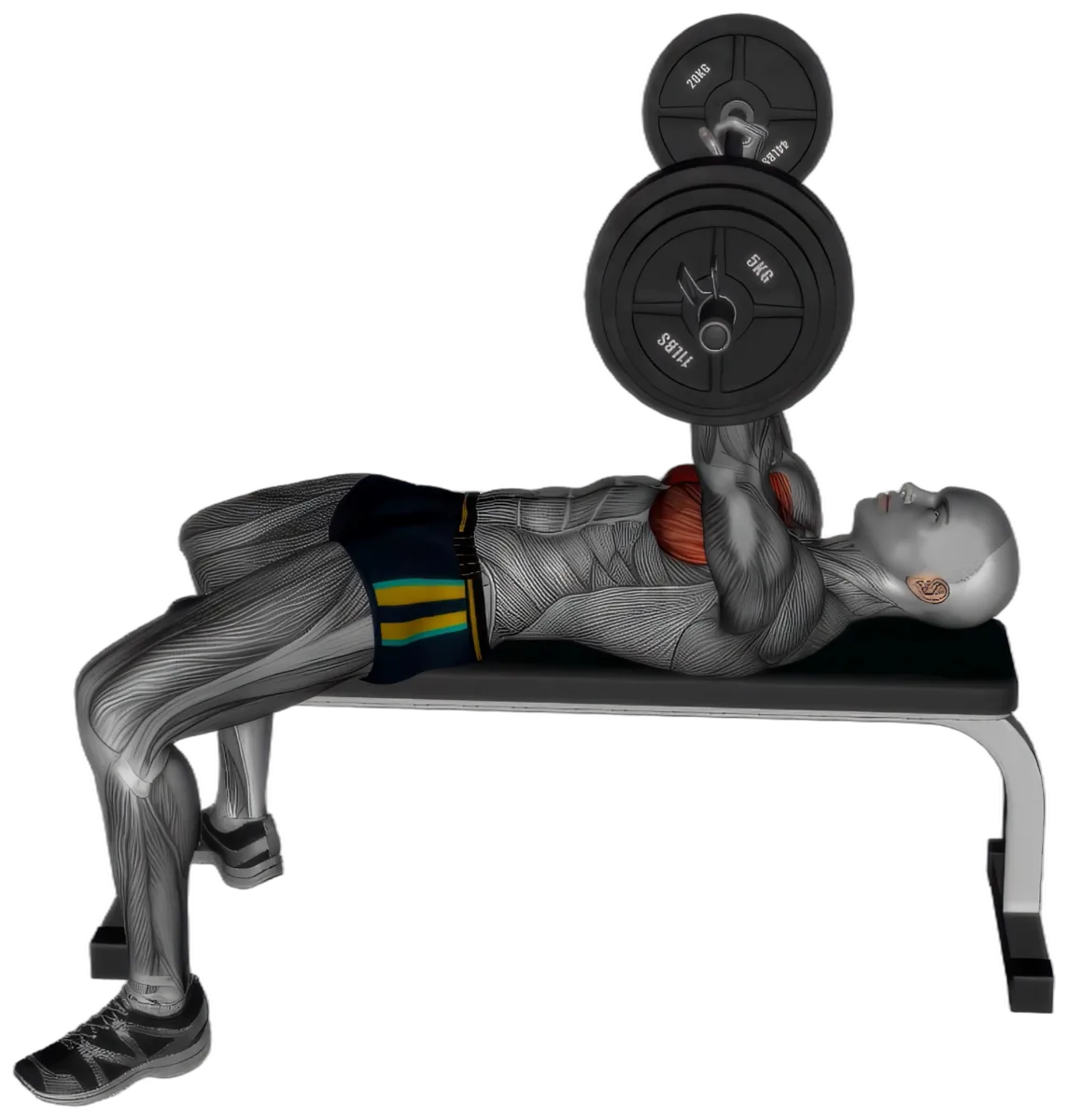
Barbell Bench Press 45–6 120s Rest120s
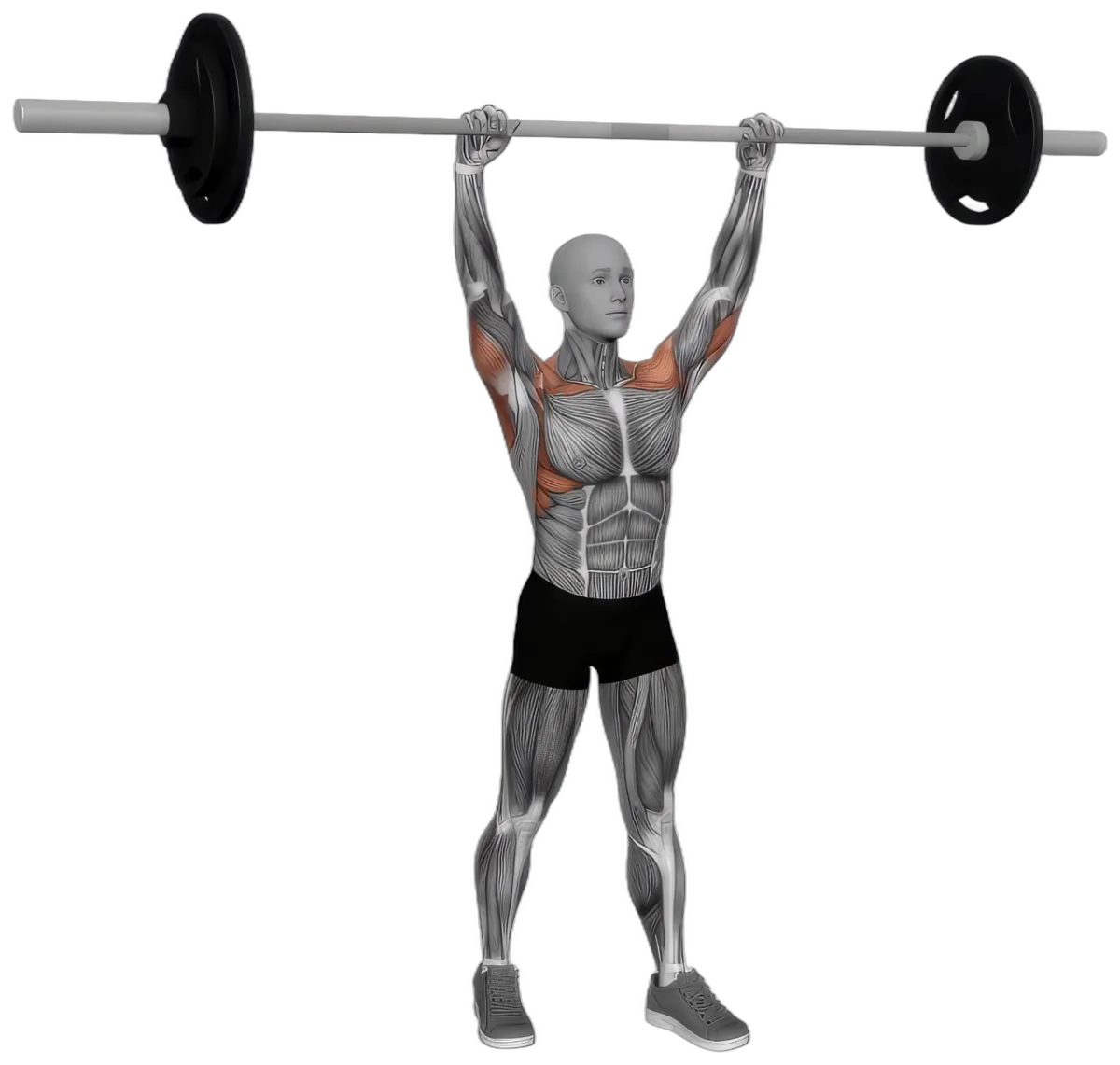
Barbell Overhead Press 36–8 90s Rest90s
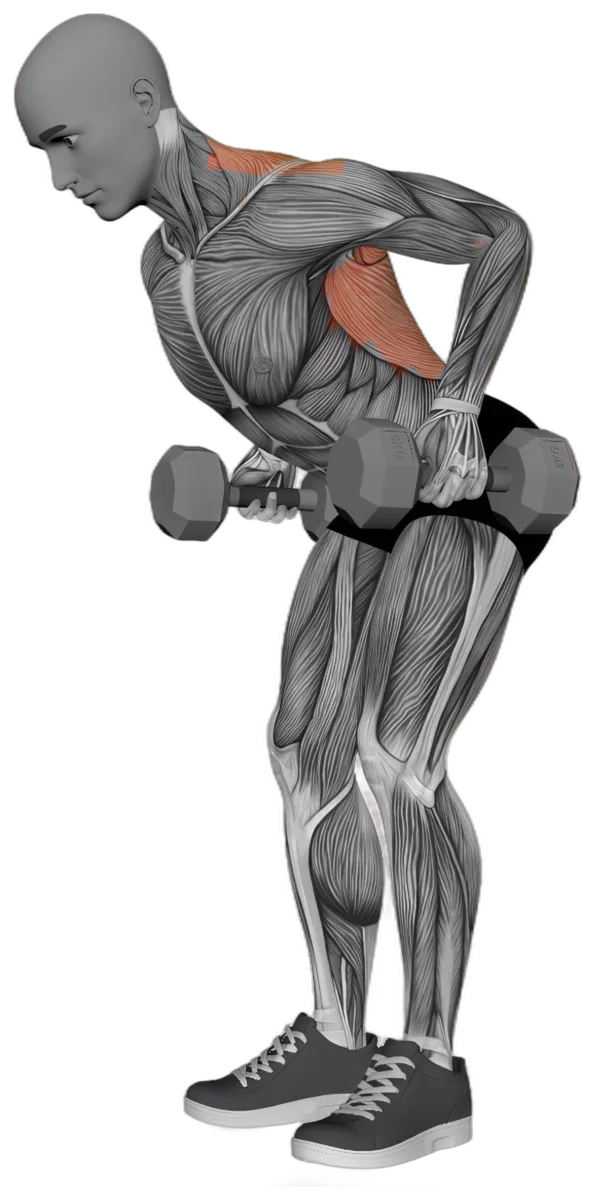
Dumbbell Rows 38–10 90s Rest90s
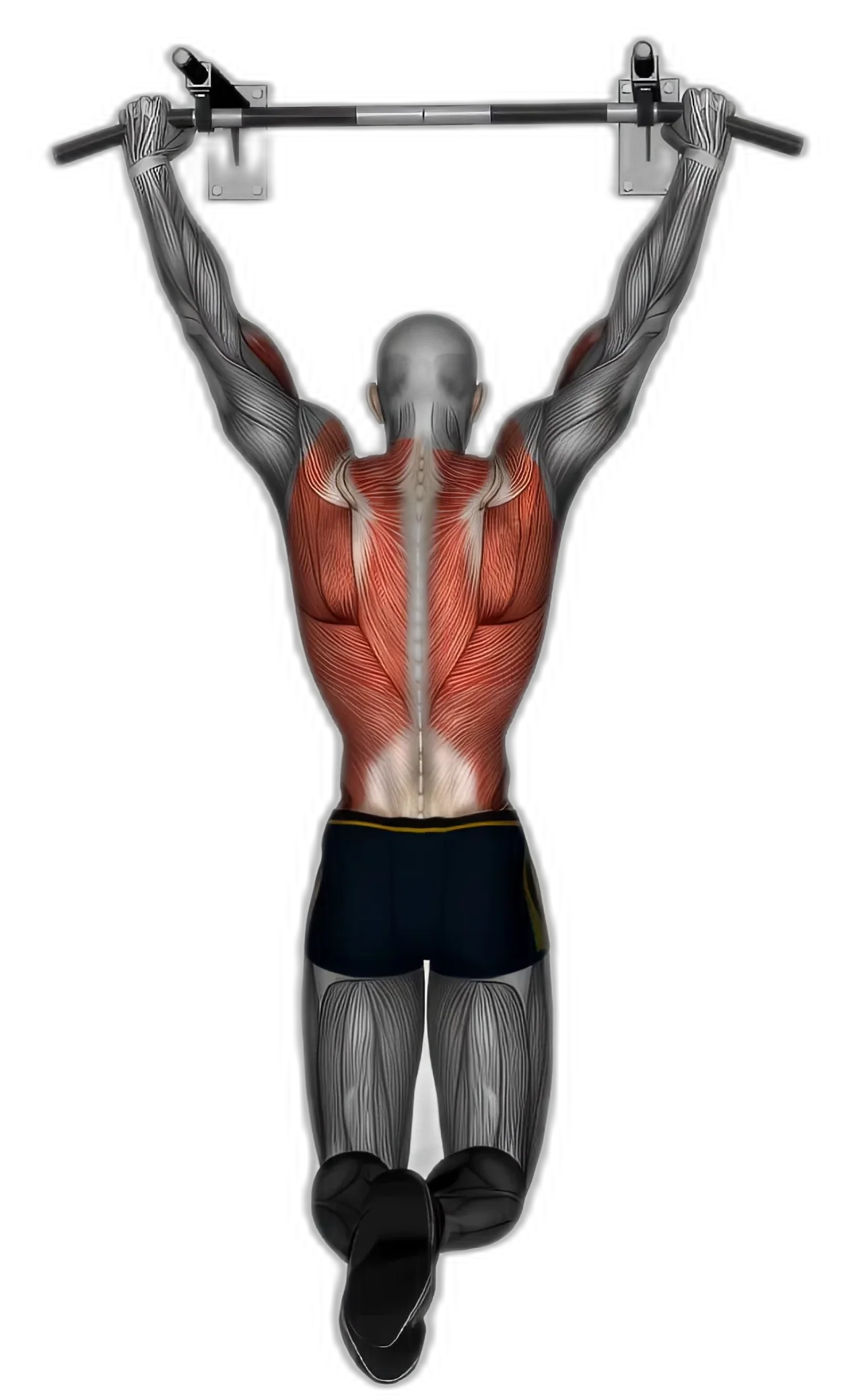
Pull-ups or Lat Pulldown 36–10 90s Rest90s
Face Pulls 312–15 60s Rest60s

How to progress over 10 weeks

  • Weeks 1–3

    01

    Learn movement patterns, establish working weights

  • Weeks 4–6

    02

    Add 2.5–5 kg to main lifts every 1–2 weeks

  • Weeks 7–9

    03

    Increase intensity, reduce rep ranges on compounds

  • Week 10

    04

    Deload at 60% intensity to consolidate gains

When does it get harder? As soon as you finish every set cleanly at the top of the rep range. Then step it up the next week.

Tips for Maximum Success

  • Consume 1.6–2.2 g protein per kg bodyweight daily to support recovery
  • Sleep 7–9 hours — growth hormone peaks during deep sleep
  • Track every session: log weight, reps and RPE (rate of perceived exertion)
  • Warm up with 2–3 progressive sets before your working weight on compound lifts

Why This Plan Works

  1. Progressive Overload Is the Foundation of Strength

    Strength gains depend on systematically increasing the demands placed on your muscles. This plan uses a structured loading model — adding weight every 1–2 weeks — which aligns with the principle of specific adaptation to imposed demands (SAID). Without progressive overload, the body has no reason to get stronger.

  2. Compound Lifts Recruit Maximum Muscle Mass

    The plan centres on multi-joint movements like squats, deadlifts, bench press and overhead press. These exercises activate large amounts of muscle tissue simultaneously, producing greater mechanical tension — the primary driver of strength adaptation according to exercise physiology research.

  3. Upper/Lower Split Optimises Frequency and Recovery

    Training each muscle group twice per week provides the optimal stimulus-to-recovery ratio for strength development. Meta-analyses show that hitting a muscle group at least twice weekly produces significantly greater strength gains than once-per-week training, without the recovery cost of full-body daily sessions.

  4. Longer Rest Periods Maximise Force Production

    Rest periods of 90–150 seconds allow near-complete replenishment of phosphocreatine stores, the primary fuel for maximal efforts. Research shows that rest periods of 2–3 minutes between heavy compound sets lead to significantly more strength gains compared to shorter rest intervals.

  5. Built-In Deload Prevents Overtraining

    Week 10 reduces intensity to 60%, allowing the central nervous system and connective tissues to recover fully. Periodisation research consistently shows that planned deloads improve long-term strength outcomes by preventing accumulated fatigue from undermining performance.

Avoid Common Mistakes

Ego Lifting With Poor Form

Instead of: Loading more weight than you can handle with proper technique, especially on squats and deadlifts. Increased injury risk to the lower back, knees and shoulders. Reduced muscle activation because momentum replaces controlled force.

Better: Use a weight you can control for the full range of motion. If your form breaks down before the last rep, the weight is too heavy.

If your squat form breaks at 100 kg, train at 85–90 kg until depth and control are consistent for all prescribed reps.

Skipping the Warm-Up

Instead of: Jumping straight to working sets without progressive warm-up sets. Cold muscles and joints are stiffer and weaker. You lift less weight and increase the risk of strains and joint pain.

Better: Perform 2–3 warm-up sets at increasing loads before each compound lift, plus 5 minutes of general movement.

Before a 100 kg squat: empty bar × 10, 60 kg × 5, 80 kg × 3, then working sets.

Neglecting Posterior Chain Work

Instead of: Focusing on mirror muscles (chest, biceps) while ignoring back, hamstrings and glutes. Muscle imbalances develop, leading to rounded shoulders, lower back pain and reduced overall strength potential.

Better: Match or exceed your pushing volume with pulling volume. This plan includes rows, deadlifts and face pulls for balance.

For every 4 sets of bench press, perform at least 4 sets of rows or pull-ups.

Changing Programmes Too Often

Instead of: Switching to a new programme every 2–3 weeks because progress feels slow. No consistent stimulus for adaptation. Strength gains require 6–10 weeks of consistent, progressive training on the same movements.

Better: Commit to one programme for the full duration. Track your lifts to see objective progress rather than relying on how it feels.

A 10 kg squat increase over 10 weeks (1 kg/week) is excellent progress — trust the process.

Cutting Rest Periods Short

Instead of: Resting only 30–60 seconds between heavy compound sets to "keep the heart rate up". Phosphocreatine stores do not replenish fully, reducing force output on subsequent sets by 10–20%.

Better: Rest 2–3 minutes between heavy compound lifts. Shorter rests (60s) are fine for accessory and isolation exercises.

After a heavy set of 5 deadlifts: rest 150s, not 60s. Use a timer to stay consistent.

Insufficient Protein Intake

Instead of: Eating less than 1.2 g protein per kg bodyweight while training for strength. Muscle repair is compromised, recovery between sessions is slower, and strength gains plateau prematurely.

Better: Aim for 1.6–2.2 g protein per kg bodyweight daily, spread across 3–4 meals.

At 80 kg bodyweight: 130–175 g protein daily (e.g. 250 g chicken, 200 g Greek yoghurt, 3 eggs, 1 protein shake).

Never Deloading

Instead of: Pushing maximum intensity every single week for months without planned recovery weeks. Accumulated fatigue leads to stalled lifts, joint discomfort, poor sleep and eventual burnout or injury.

Better: Schedule a deload week every 6–8 weeks. Reduce volume and intensity to 50–60% to allow full recovery.

If your working squat is 100 kg × 5, deload week: 60 kg × 5 for 3 sets. You will come back stronger.

Frequently Asked Questions

If you have anything else you want to ask, reach out to us.

How much weight should I start with?

Start with a weight you can control for all prescribed reps with clean form. If unsure, begin at roughly 60–70% of your estimated 1-rep max and increase from there.

Can I build strength training only 3 days per week?

Yes, but 4 days allows better volume distribution and recovery. If limited to 3 days, combine one upper and one lower session into a full-body day.

How long until I see strength improvements?

Beginners often notice measurable strength gains within 2–3 weeks. Intermediate lifters can expect meaningful progress after 4–6 weeks of consistent training.

Ready in 60 seconds

Make this plan yours.

Answer a few quick questions. fytrr builds your workout and meal plan for the week, matched to your goal, level and equipment.

Create my plan

Free, no credit card